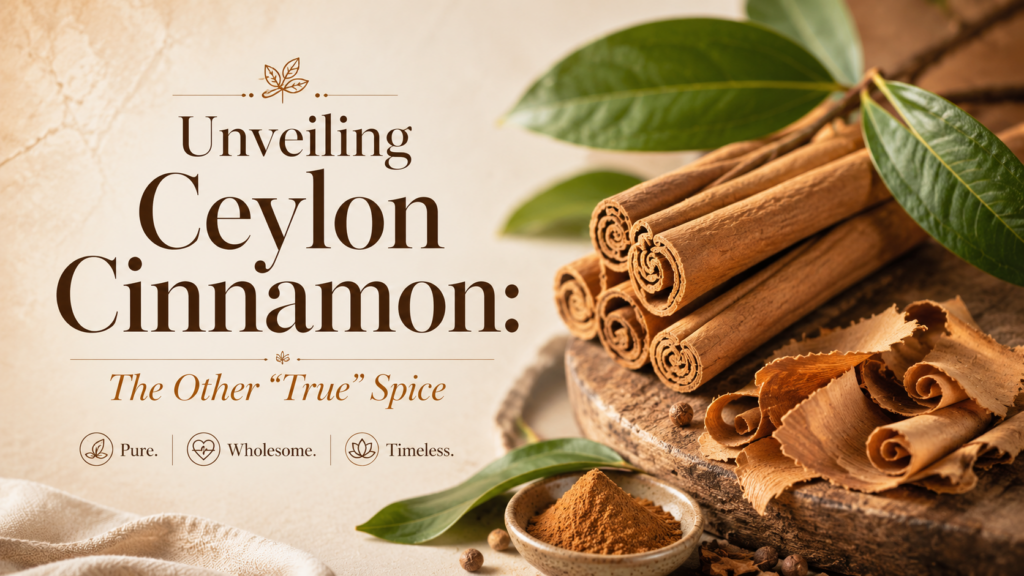
Many people think all cinnamon is the same. It’s not. You’d be surprised how different Ceylon cinnamon is from the cassia variety we grow here in Vietnam.
What is Ceylon Cinnamon?
Ceylon cinnamon, often touted as “true cinnamon,” hails from Cinnamomum verum trees native to Sri Lanka. Unlike our Vietnamese cassia cinnamon, which carries a robust and spicy kick, Ceylon offers a delicate, sweet flavor. Got its roots stretching back to centuries ago. Used more in desserts and light dishes compared to the bold use of cassia in savory meals.
Quick Facts
- Also known as “true cinnamon”
- Originates from Sri Lanka
- Milder flavor compared to cassia
- Contains 0.5-1% coumarin
- Thin, fragile bark compared to Vietnamese cinnamon
How to Differentiate Ceylon from Cassia
Looks can be deceiving, but not here. Ceylon cinnamon sticks are thin, with multiple layers, resembling a tightly rolled cigar. Our Vietnamese cinnamon, on the other hand, forms a thicker, single-layered, hollow stick. Ceylon is easier to break, and it crumbles more effortlessly. They even smell different. Ceylon’s aroma is subtle, refined, and reminiscent of light citrus, while cassia’s scent sings of spice and warmth.
Two Percent Less: The Coumarin Count
Coumarin is a natural compound more prevalent in cassia than in Ceylon. It’s what gives cassia its aromatic punch but brings health concerns when consumed in large quantities. Ceylon cinnamon contains just 0.5-1% coumarin, while cassia can have up to 5%. That’s why in dishes where the cinnamon aroma needs to be more subdued and the health factor more emphasized, Ceylon is often the preferred choice.
45% of the World’s Supply
Sri Lanka produces about 45% of the world’s Ceylon cinnamon. Quite a contrast to our story in Xuan Ai Commune, where we nurture over 6,000 hectares of the green gold tree, known for its cassia variant. The global demand for both types highlights their distinct qualities and applications, each cherished in its own right. Our cassia boasts a higher oil content when matured, taking years to reach perfection, especially under the care of our dedicated farmers.
Ceylon vs. Cassia in Cooking and Beyond
Now, let’s talk taste and use. Ceylon cinnamon shines in sweet dishes, adding a gentle touch to pastries, puddings, and fruit compotes. In comparison, cassia is king in robust cuisines, providing depth in meat dishes and broths. In terms of health, Ceylon’s lower coumarin makes it favorable for everyday use, though some aficionados swear by cassia’s bolder flavor profile.
Practical takeaways? Know your cinnamon. Both Ceylon and Vietnamese cinnamon have their special places in the kitchen and beyond. Whether you’re looking for the subtlety of ‘true’ cinnamon or the potent zest of cassia, understanding these differences lets you choose the right spice for your culinary creations.