May 12, 2026

Unveiling the Secrets of Ground Cinnamon: The Happiness Tree Spice

Did you know that ground cinnamon has roots almost as ancient as the cinnamon trees themselves? It’s true! Here in Xuan Ai, the birthplace of Vietnamese cinnamon farming, we’ve been perfecting the art of turning bark into spice for nearly 200 years.

Why Ground Cinnamon is More Than Just a Spice

Ground cinnamon is often misunderstood as just a mere addition to sweet dishes. But the reality is much richer. When we harvest and process cinnamon from our vast forests in Xuan Ai, we’re not just creating flavor. Every pinch of ground cinnamon carries the essence of a green gold tree, the cay vang xanh, and a happiness tree, the cay hanh phuc. It’s deeply embedded in our cultural heritage, offering not just taste but tradition and love.

How is Ground Cinnamon Made?

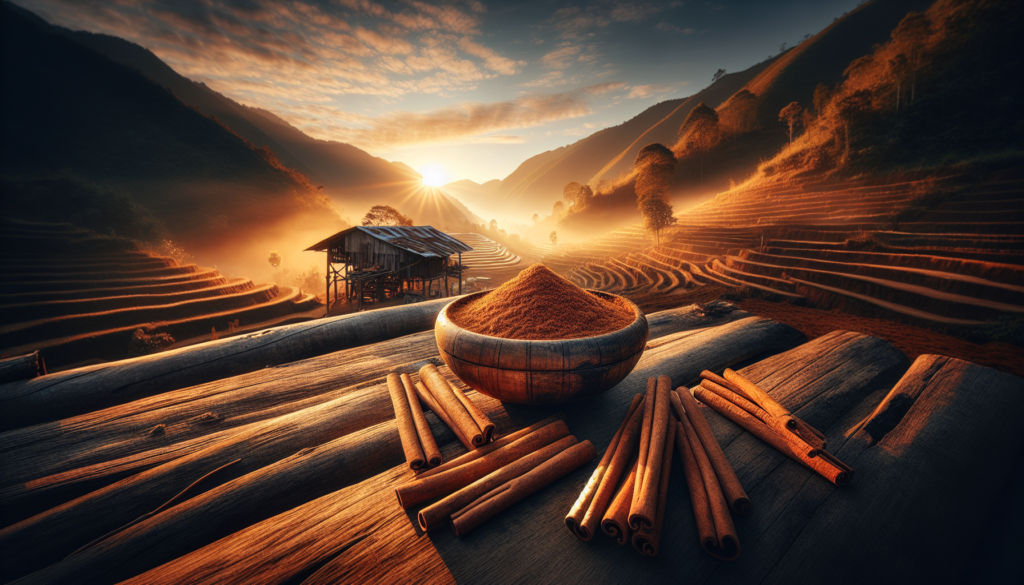
Turning cinnamon bark into ground cinnamon is a meticulous process. It starts with peeling the bark from the trunk, ideally aged between 15-25 years, at the peak of its oil content. After the bark is sun-dried for 3-7 days on bamboo racks, it can finally be ground into the powder that many of us keep in our kitchens. The drying under Vietnam’s sun preserves the aromatic oils, resulting in ground cinnamon with 3-5% oil content, a distinctive quality of our region’s produce.

Ground Cinnamon vs. Cinnamon Sticks: Which is Better?

Both ground cinnamon and cinnamon sticks originate from the same plant, but they serve different culinary purposes. Ground cinnamon disperses easily in dishes, offering a more intense and concentrated flavor profile ideal for baking or cooking. On the other hand, cinnamon sticks infuse a gentle, slow-release of flavor, perfect for steeping in teas or simmering in stews. If you’re looking for quick flavor enhancement, ground cinnamon is your ally; if you prefer a subtle and gradual infusion, then sticks are your go-to. We at our Vietnamese cinnamon offer both, ensuring you get to enjoy cinnamon in whichever form you prefer.

Quick Facts

The Aromatic Chemistry: Why Ground Cinnamon Smells So Good

Ever wondered why ground cinnamon smells so captivating? It’s all due to the essential oil content. The oil is rich in compounds like cinnamaldehyde, which is responsible for that warm, comforting aroma. The oil content in our cinnamon peaks between 15-25 years, which explains why older trees produce more fragrant and potent ground cinnamon. Harvesting during autumn also increases the oil content, adding an extra layer of aroma complexity.

5 Key Uses of Ground Cinnamon in Vietnamese Cuisine

Ground cinnamon isn’t just a spice but a staple in Vietnamese kitchens. One: It finds its way into sweet dishes like che (a traditional Vietnamese dessert). Two: We use it to enhance savory dishes, adding depth to pho broth. Three: It becomes part of marinades, transforming proteins. Four: Ground cinnamon blends into teas, offering warmth and flavor. And five: It even contributes to traditional herbal remedies, affirming its versatile nature. Through our story, we continue to showcase the myriad uses and importance of this treasured spice.

In conclusion, ground cinnamon from our region is much more than a kitchen staple. It’s a connection to our history, an aromatic journey of tradition, and a testament to the diligent work of local farmers. Whether you’re sprinkling it on a dessert or infusing it in a broth, remember you’re savoring a piece of Xuan Ai’s rich legacy. So next time you need a culinary companion, reach for the ground cinnamon and enjoy all it offers.